As part of its efforts to achieve national food security, Gerakan Indonesia Menanam (GERINA) continues to implement food crop cultivation programs across various regions. From February to April 2025, GERINA focused on developing three main commodities: rice, sweet corn, and cassava, using measurable, innovative, and environmentally adaptive cultivation methods.
Rice Cultivation: Ciherang, Inpari 32, and Japonica Varieties
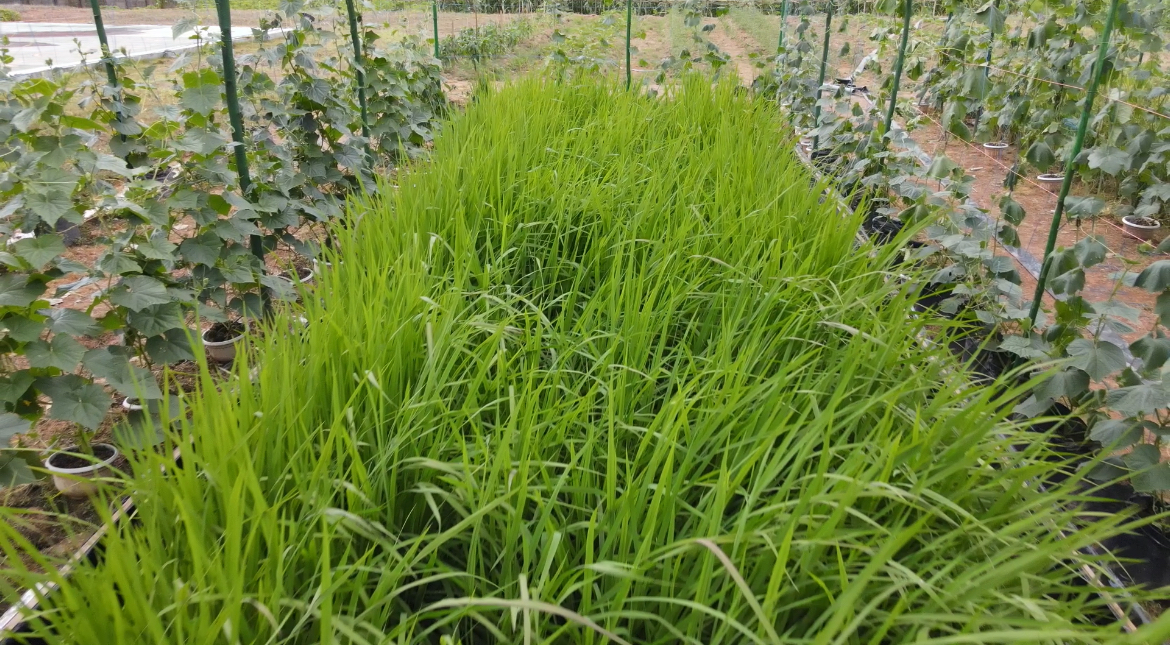
Rice cultivation activities began in early February 2025. The Ciherang variety was planted on February 7, followed by Inpari 32 and Japonica nursery preparation on February 8. During the early growth stage (10–14 days after planting/DAP), all three varieties demonstrated stable development with healthy root and leaf growth. This stage was also marked by initial fertilization using Urea and NPK Phonska, application of liquid organic fertilizer and pesticides, as well as the construction of water channels to manage rainfall conditions.
At 19 days after planting (DAP), the plant structure became stronger, with increasing leaf growth. The Japonica variety, which is known to be more sensitive compared to local varieties, was carefully transplanted from the nursery to the main cultivation area at 20 DAP with additional handling precautions.
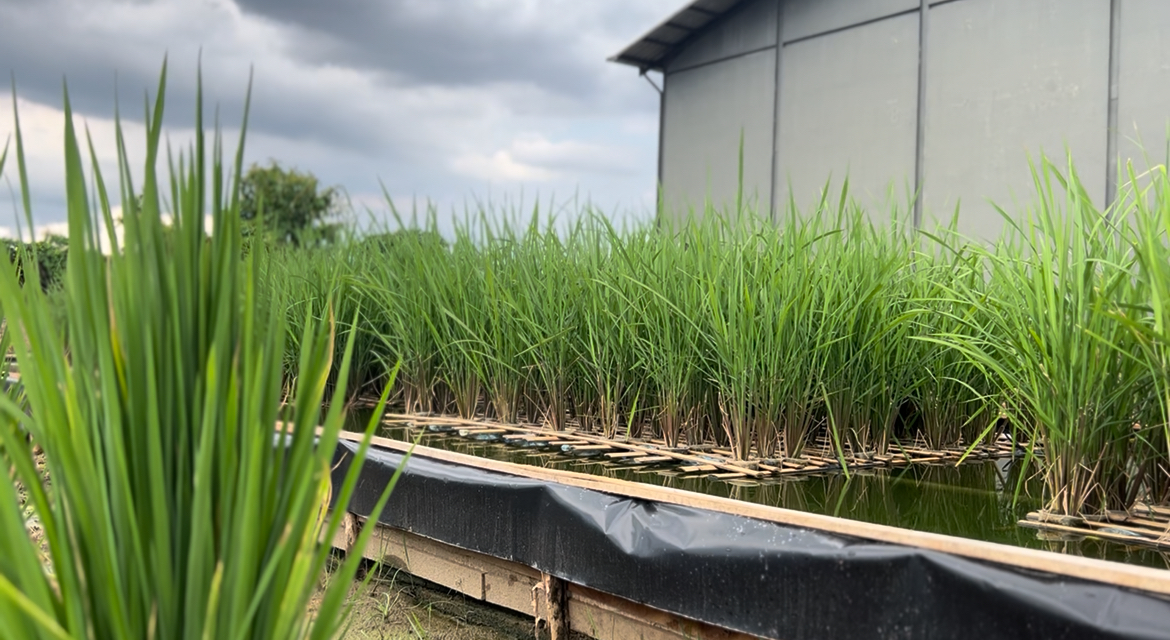
Entering March, GERINA introduced an innovative floating rice cultivation method as a solution for farming areas prone to flooding. This planting system utilizes bamboo rafts, plastic cups, and water-based growing media, with Japonica, Ciherang, and Inpari 32 varieties being tested. At the same time, further fertilization for Japonica rice grown on soil was carried out using Urea and KCl. The construction of a 4 × 15 meter floating cultivation pond continued as part of this experimental method.
By early April (approximately 60 DAP), rice plants showed significant growth progress. Plant height reached approximately 1 meter, stems became stronger, and the number of tillers increased. Additional fertilization was applied using a combination of Urea, KCl, TSP, and NPK Phonska. Daily monitoring of pests and diseases continued to ensure plant health. With favorable growth conditions, harvesting is estimated to take place in May 2025.
Sweet Corn Cultivation: Malenka Variety
Corn planting was carried out on February 6, 2025, on prepared raised beds. Initial growth signs appeared at 8 DAP with the emergence of young leaves, indicating the beginning of the vegetative growth phase. At 13 DAP (around February 19), initial fertilization using Urea and NPK Phonska was applied when plant height reached 20–30 cm. To prevent waterlogging caused by rainfall, drainage channels were developed from the early cultivation stage.
Throughout March, drainage system improvements continued to maintain optimal soil moisture and prevent plant stress. Corn growth was closely monitored, particularly regarding pest activity and unpredictable weather conditions.
By April, the corn plants had reached 8 weeks after planting (61 DAP), with plant height reaching approximately 2 meters. Additional fertilization was provided using a combination of Urea, KCl, TSP, and NPK Phonska. Pest and disease monitoring continued daily. Based on current plant conditions, harvesting is planned for the end of April 2025.
Cassava Cultivation: Local IR Variety
Cassava planting activities began on February 9, 2025, with approximately 1,400 plants cultivated. At 10 DAP, the plants showed strong early growth, marked by the emergence of new shoots and young leaves. This local cassava variety is known for its drought tolerance and relatively high resistance to pests and diseases, making it suitable for large-scale cultivation across various land conditions.
At 30 DAP, the plant structure became more stable, with developing root systems and foliage. Routine weed control and weather monitoring became part of regular maintenance activities. By April, at 58 DAP, the cassava plants demonstrated healthy and stable growth, reaching approximately 1 meter in height. Although they have not yet reached the harvesting stage, the cassava plants have shown strong growth performance and promising potential.