Laboratory test results from several newly developed rice field soil samples indicate that the majority of the land falls into the S3 suitability class, meaning it is moderately suitable for rice cultivation. Although the land remains feasible for agricultural use, this classification indicates the presence of several limiting factors, including high soil acidity (low pH), low nitrogen (N) and organic carbon (C-organic) content, as well as low base saturation (BS).
To optimize land productivity, appropriate soil management practices are essential. One of the primary interventions is liming, which aims to neutralize acidic soil conditions and increase base saturation. Acidic soils can reduce the availability and uptake of essential nutrients by rice plants, making liming a critical initial step in improving soil conditions.
In addition, the application of basal fertilizers is highly recommended, particularly to increase nitrogen levels, which are generally very low across almost all soil samples. Nitrogen is an essential macronutrient that plays a vital role in supporting vegetative growth and development of rice plants.
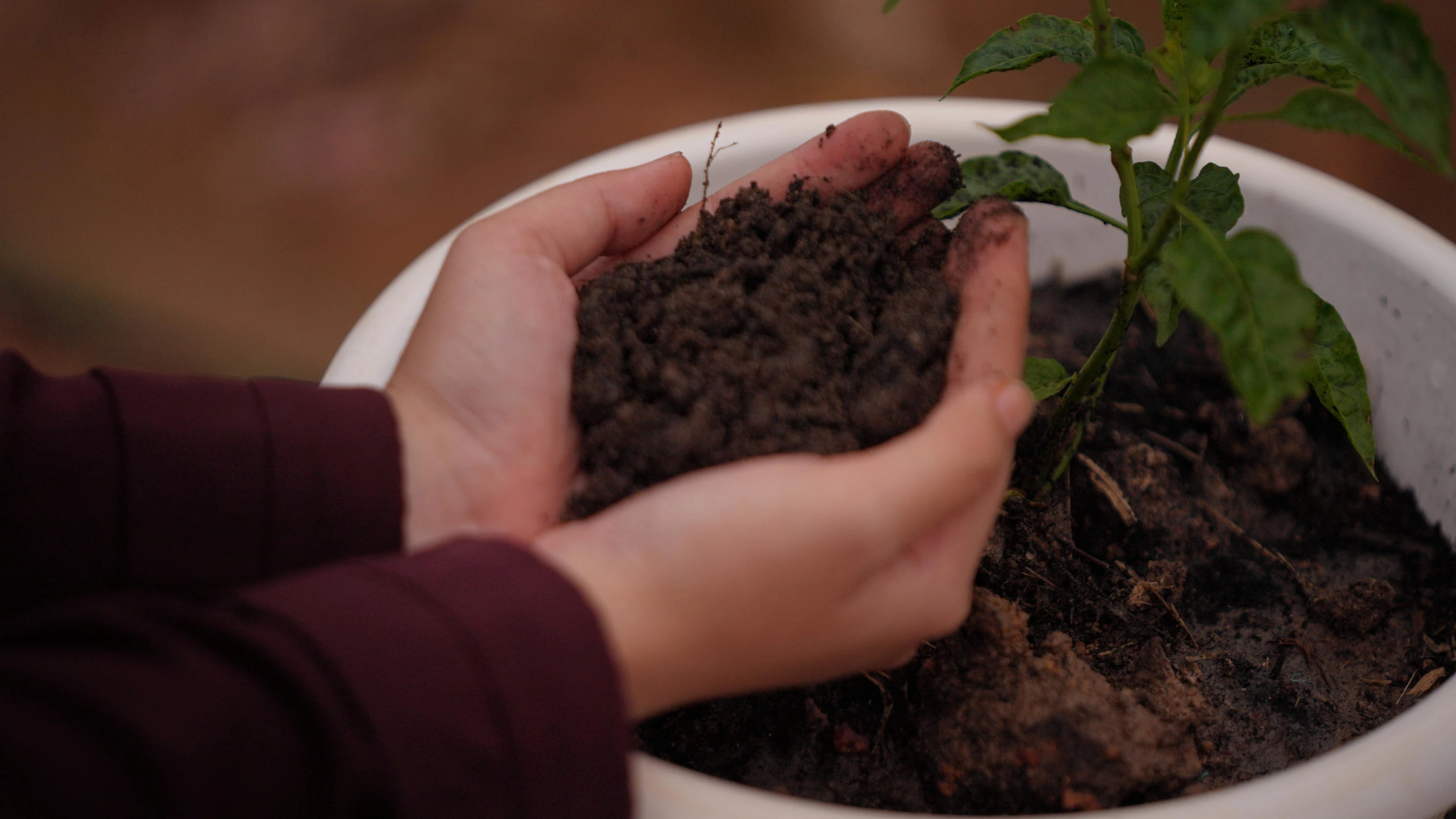
To improve soil structure and increase organic matter content, the application of compost or organic manure is an effective solution. Compost helps increase C-organic levels, enhance soil structure, and improve the efficiency of nutrient absorption by plants.
With the proper and consistent implementation of these soil improvement strategies, land classified as S3 has the potential to be upgraded to S2, meaning it becomes suitable with moderate limitations for rice cultivation. Data-driven soil management based on laboratory analysis represents a practical approach toward achieving more productive and sustainable agricultural systems.