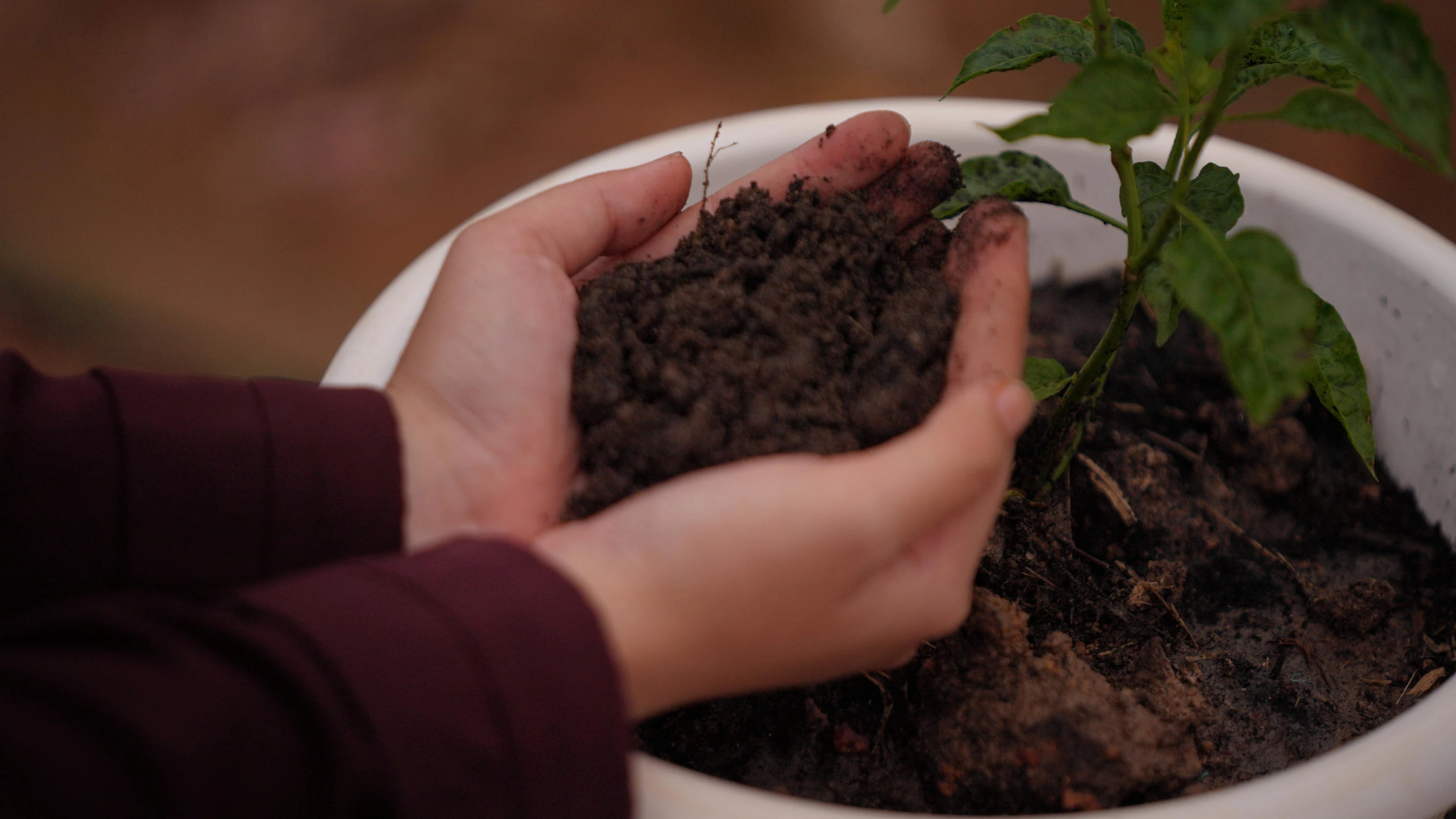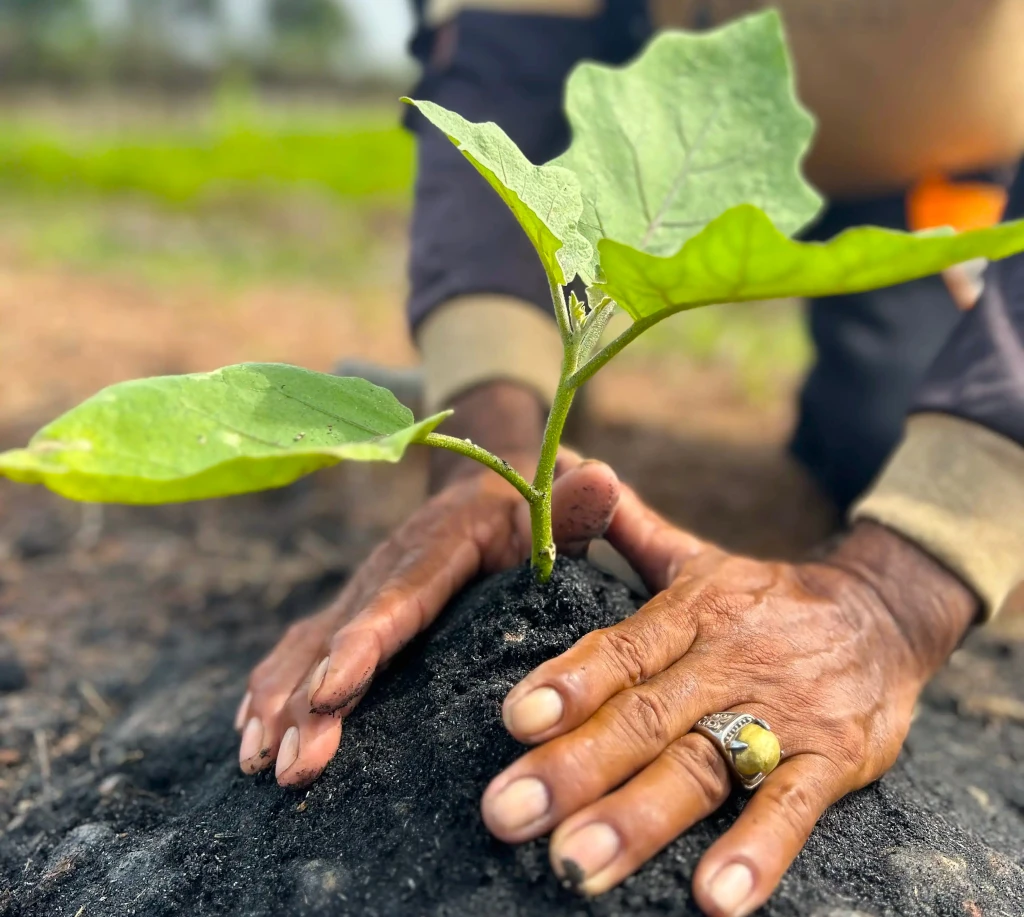
Soil texture is one of the most important physical properties that significantly influences agricultural land productivity. Texture is determined by the relative proportions of three main soil fractions: sand, silt, and clay. Differences in soil texture affect water retention, aeration, nutrient-holding capacity, and plant root penetration. Based on laboratory analysis of soil samples collected from several newly developed rice field locations, various soil textures were identified, including fine clay, silty clay, sandy clay, and slightly fine clay loam.
Fine clay soils, such as those found in the western test locations (TS-01 and TS-02), generally have a high capacity to retain water and nutrients but tend to have low porosity. This condition may limit air circulation within the soil, which is essential for root respiration. However, clay soils are relatively suitable for rice cultivation because rice plants require water-saturated growing conditions.
In contrast, the third central location has a sandy clay texture. Soils with a higher sand composition generally have faster drainage but lower water and nutrient retention capacity. Such soils are less ideal for lowland rice cultivation, which requires consistent moisture availability and sustained nutrient supply. Therefore, additional management through organic matter application and intensive fertilization is required.
Meanwhile, the first central location has a slightly fine clay loam texture, which provides a more balanced condition between drainage and water retention. This texture has good potential to support root development and nutrient availability, provided that other chemical factors, such as soil pH and base saturation, are also favorable.
The influence of soil texture is also reflected in land suitability assessments, where texture was identified as one of the limiting factors in the third central location. Although this area falls within the S2 suitability class (suitable), improvement measures are still required to enhance productivity. This indicates that soil texture not only affects the physical characteristics of land but also contributes to the overall classification of land suitability.
Therefore, understanding soil texture types and their implications is crucial in agricultural planning. Proper soil texture management, including appropriate land preparation, organic matter application, and selection of suitable crops, can improve farming efficiency and support sustainable land productivity.